
What a Keycard and Fob Access Control System Actually Involves
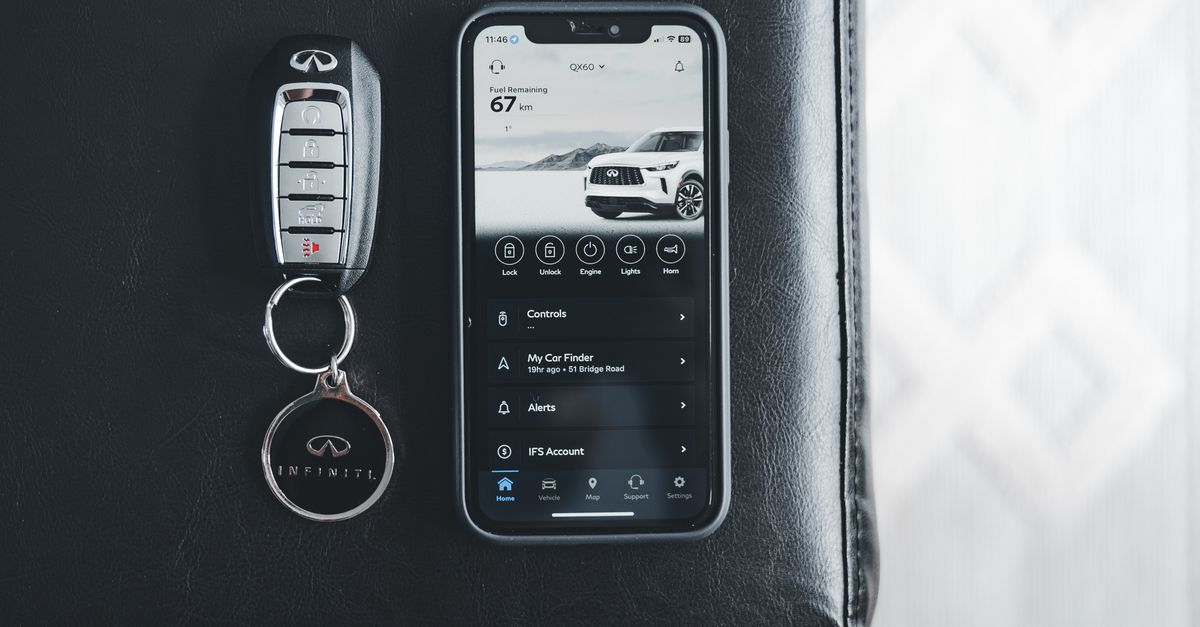
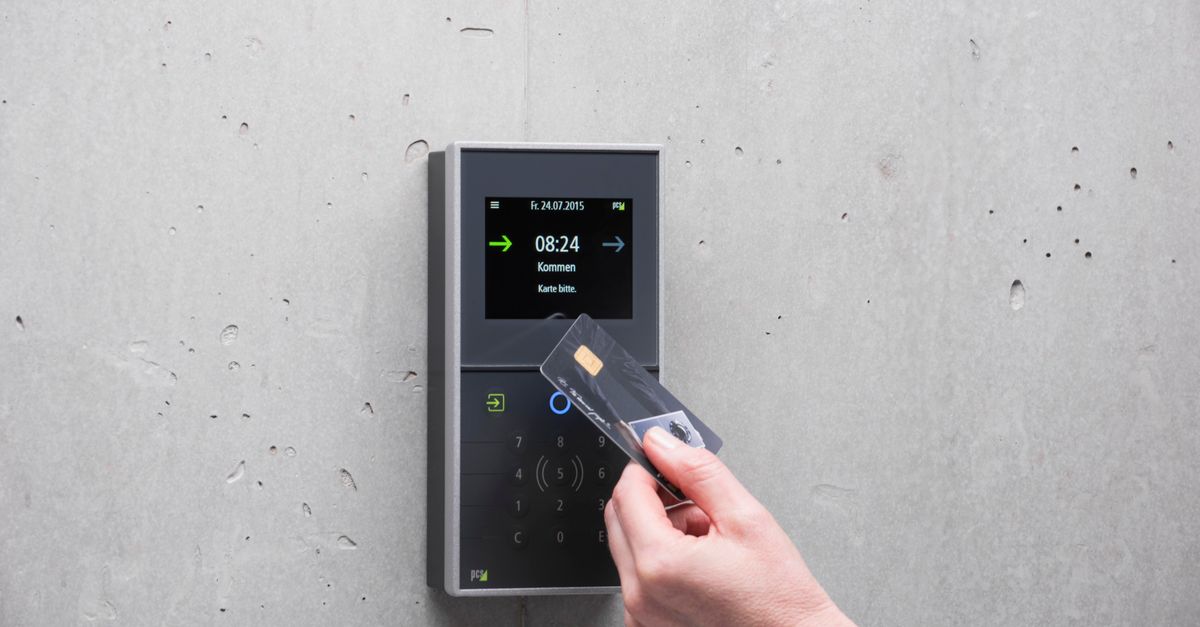
Most people picture a card reader stuck to a wall — but a fully functional access control system has several interdependent layers. There is the credential itself (a proximity card, a key fob, or a smartphone-based token), the reader that authenticates that credential, the controller that processes the signal, and the door hardware that physically engages or releases the lock. Getting all four layers working together requires a technician who understands both the electronic and the mechanical side of the equation. That is exactly where our team's experience pays off: we do not hand off the hardware portion to someone else. We handle the full scope.
A critical and often overlooked component is the lock body itself. Many commercial-grade access control installations require an access control mortise lock — a lock body that mounts flush inside a pocket routed into the door edge, giving it far greater strength and integration capability than a surface-mounted cylindrical lock. An access control mortise lock accepts an electrified strike or a motorized latch, which connects directly to the access control controller. Our technicians are experienced with mortise lock hardware from major manufacturers like Schlage and similar commercial-grade lines, and we can assess whether your existing door prep is compatible or whether modifications are needed before we ever quote the job.