A1 Salt Lake City Locksmith Service Team
Local locksmith team
Jul 21, 2026 11 min read
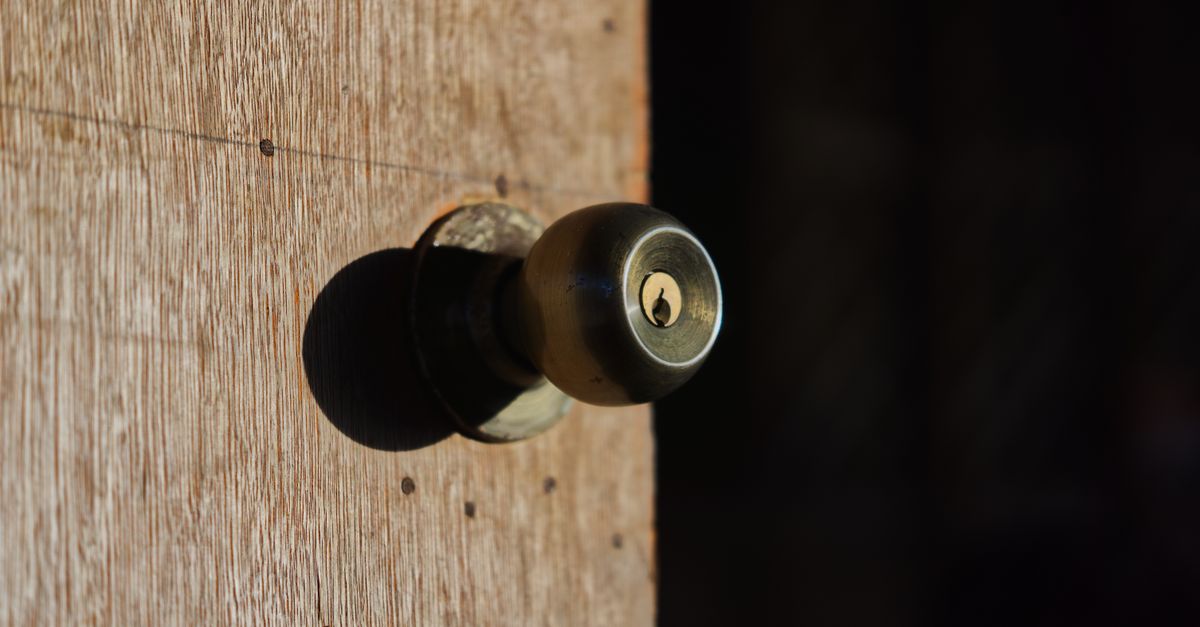
Walk up to almost any front door in the Avenues or a newer Sugar House townhome and you will see one of two things: a classic door knob with lock, or a beefier rectangular plate that hints at something more serious built into the door itself. Both keep intruders out — in theory — but they work in completely different ways, cost different amounts to install or replace, and suit very different doors and security goals. Picking the wrong one is not just a cosmetic mistake; it can mean a lock that fails early, a door that will not close properly, or a weak point that undermines everything else you have done to protect your home.
This guide breaks down mortise locks, cylindrical knob locks, and the hardware in between so you can walk into a hardware conversation — or a call with our team — already knowing what you need. We will cover how each type works, where each belongs, what makes one harder to defeat than the other, and when it makes sense to call a professional locksmith Salt Lake City homeowners and property managers can count on around the clock.
## What Is a Mortise Lock, and How Does It Differ from a Knob Lock?
A mortise lock is a complete locking mechanism housed inside a rectangular steel case that is recessed — mortised — directly into the edge of the door. When you look at the door face, you see a trim plate, a cylinder, and often a lever or thumb-turn, but the real hardware is hidden inside the door body. The mortise lock set includes a latch bolt for latching, a dead bolt for security, and an anti-rotation mechanism, all in one unified cartridge. Because the case is sunk into the door, the lock is mechanically anchored on three sides instead of just surface-mounted. This design dates back over a century and remains the standard for commercial buildings, multi-family properties, and high-end residential entry doors throughout Salt Lake City and the broader Wasatch Front.
A knob lock — also called a cylindrical lock — works very differently. The locking mechanism lives inside the knob itself. Turning the interior knob or pushing a button engages a spring latch or a small push-in deadlatch. Installation requires only two round holes drilled in the door face and edge, which makes a door knob lock faster and cheaper to fit on new construction or on an interior door. The tradeoff is structural: because the mechanism is in the knob, a sharp lateral blow or a pipe wrench can shear the knob off and expose the spindle. For a bedroom door or a utility closet, that is an acceptable risk. For a street-facing front door in the Marmalade District or a ground-floor unit near Liberty Park, it is worth a serious conversation before you commit.
## Mortise Lock vs. Cylindrical Lock: A Side-by-Side Look at Real-World Security
Security professionals consistently rate the mortise lock higher for exterior applications, and the reasons are mechanical rather than marketing. The steel case distributes kick-force along the full height of the mortise pocket, reducing the chance that a single hard blow caves the latch in. The throw bolt — the deadbolt portion — extends a full inch or more into the strike plate and frame when engaged, compared with the shorter latch on most knob sets. Many mortise lock sets also include an anti-pick, anti-drill, and anti-bump cylinder as a standard feature, whereas comparable protection on a cylindrical lock usually requires upgrading to a premium cylinder sold separately. If you are evaluating door security after a break-in attempt or simply want to match the solid-wood door you just had custom built, a mortise lock is almost always the correct answer for the primary entry point.
That said, cylindrical locks are not without a legitimate place. A door knob with lock and key is perfectly appropriate for interior passage doors — laundry rooms, home offices, guest bedrooms — where the goal is privacy rather than forced-entry resistance. They are also common on secondary exterior doors like a garage entry or a basement walkout when paired with a separate deadbolt above. The key question is always: what is this door protecting, and against what threat? Our team at A1 Salt Lake City Locksmith evaluates those factors before recommending hardware, so you are never paying for more lock than your door or frame can actually support — and never leaving a vulnerable point unaddressed. If you want a professional assessment, call us at (801) 438-3704 any time of day or night.
## Choosing the Right Hardware: Door Type, Frame, and Local Building Realities
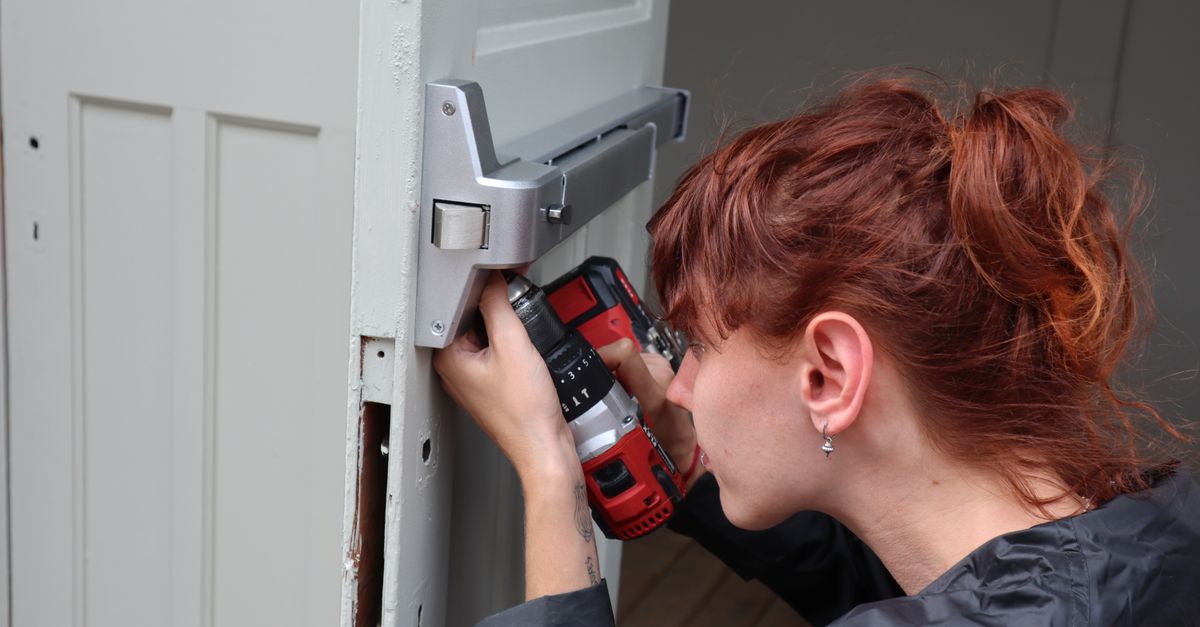
Before settling on a lock type, look at three things: door thickness, door material, and frame condition. Mortise locks require a door that is at least 1¾ inches thick with enough stile width — usually 5 inches minimum on the lock side — to accept the case without splitting. Solid-wood and metal doors handle this easily. Hollow-core interior doors absolutely do not; the thin skin and cardboard core will crack around the mortise pocket. For those doors, a cylindrical knob lock or a surface-mounted deadbolt is the appropriate choice. Frame integrity matters just as much as the lock itself: a reinforced steel strike plate with 3-inch screws reaching the stud behind the frame turns any deadbolt into a far stronger barrier, while a rotted or undersized frame undermines even the best mortise lock set.
Salt Lake City has a wide mix of housing stock — Victorian-era bungalows in the Avenues with 100-year-old door frames, mid-century ranch homes in Millcreek, and modern multi-unit builds near the University of Utah. Each situation calls for a different approach. Older homes often already have a mortise pocket from the original hardware; re-using that pocket with a new mortise lock set is usually simpler and less invasive than retrofitting a cylindrical bored lock. Newer construction almost universally uses pre-bored cylindrical prep, which accepts standard knob or lever sets quickly. If your door has neither, or if you are upgrading a commercial property, a professional locksmith assessment is the most efficient first step — we measure, advise, and install in a single visit.
## What About Lock Picking? Understanding Vulnerability Without Compromising Safety
A fair number of people searching for information on how to pick a door knob lock are homeowners who locked themselves out, not would-be intruders. The honest answer is that no consumer-grade lock is pick-proof, but the goal of good hardware is to make bypass slow, noisy, and skill-intensive enough to deter opportunistic attacks. Mortise cylinders with security pins and anti-pick serrations raise that bar significantly. Cylindrical knob locks with standard pin-tumbler cylinders are generally easier to defeat by someone with practiced skills, which is one more reason they belong on interior doors rather than as the sole barrier on an exterior entry point. If you are locked out of your own home, the right move is to check for a spare key with a neighbor, try another unlocked entry point you have legitimate access to, and call a professional locksmith who will verify ownership before doing anything. Attempting to force or manipulate a lock yourself risks damaging the hardware and potentially the door itself, creating a more expensive repair and leaving you without a functioning lock until parts arrive.
For renters and landlords in Salt Lake City, there is also the question of re-keying versus full replacement. If a tenant moves out, a previous owner's keys are unaccounted for, or you have simply lost track of who has copies, re-keying the existing cylinder is faster and less expensive than swapping the entire mortise lock set or knob set — provided the hardware itself is in good condition. Our locksmiths carry the tools and blank key stock to re-key most residential and commercial cylinders on the spot, so you regain control of your door the same day.
## Services We Provide: Residential, Commercial, and Automotive Locksmith Salt Lake City
A1 Salt Lake City Locksmith is a fully mobile, 24/7 operation serving Salt Lake City and surrounding communities. Whether you need a mortise lock installed on a historic Avenues home, a commercial locksmith for a multi-tenant office building downtown, or an emergency locksmith response after locking your keys in your car near the airport, our technicians come to you. Here is a straightforward list of what we handle every day: residential lockout service, commercial lockout service, automotive lockout service, mortise lock installation, mortise lock repair and replacement, cylindrical lock installation and replacement, deadbolt installation, high-security lock upgrades, lock re-keying, master key system setup, access control installation, keypad and smart lock installation, door hardware consultation and fitting, broken key extraction, lock repair after forced entry, garage door lock service, mailbox lock replacement, padlock service, safe opening and combination changes, car key cutting, transponder key programming, key fob replacement and programming, ignition lock repair and replacement, motorcycle key service, and emergency lockout response for homes, offices, and vehicles at any hour. Pricing for every job depends on the specific lock type or vehicle, time of day, travel distance to your location, and any parts required — we confirm the exact figure with you before any work begins, with no surprises at the end.
One thing worth addressing directly: kiosk key-copying services located inside grocery stores — including machines marketed as self-service key duplication stations — can duplicate basic house keys in minutes, but they have real limitations. They cannot cut high-security restricted keys, program transponder chips, replace key fobs, or handle the sidewinder keys used in most modern vehicles. If a kiosk copy does not work, the duplicate was almost certainly cut from a worn original or involved a key type the machine was not designed to handle. Our technicians use professional-grade equipment that reads the original key's specifications precisely, cuts to tolerance, and — for electronic keys — programs the new key or fob to your vehicle's specific immobilizer on the spot. If a kiosk visit did not solve your problem, call (801) 438-3704 and we will get it right the first time.
Frequently asked questions
Can a locksmith get you into your home if you are locked out?+
Yes — gaining entry for verified homeowners and tenants is one of the most common locksmith tasks we handle. When you call A1 Salt Lake City Locksmith, we will ask for proof of residency or ownership before we begin. Depending on your lock type and condition, a trained technician can open the door without damaging the lock in most cases, so you do not have to replace hardware just because you got locked out. If damage is unavoidable — a seized mortise lock, for example — we carry common replacement parts and can often handle the swap in the same visit.
How much should an emergency locksmith cost, and what affects the price?+
There is no single flat answer because several factors shape the final quote: the type of lock or vehicle involved, whether specialty parts are needed, the time of day the call comes in, and the travel distance to your location. What we can tell you is that A1 Salt Lake City Locksmith confirms an exact up-front price before any technician starts work — you will always know the full amount before you commit, with no add-ons at the end. If you want a specific number for your situation, call (801) 438-3704 and we will give you a straight answer right away.
What is the most common locksmith task, and do you handle it 24/7?+
Lockout service — helping someone regain access to their home, office, or vehicle — is by far the most frequent call we receive. It is also the scenario where having a 24/7 mobile locksmith matters most, because lockouts rarely happen at convenient hours. Beyond lockouts, re-keying after a move or a lost key is the next most requested service, followed by deadbolt and mortise lock installation and upgrade work. Our team is available every hour of every day, including holidays, and we serve the full Salt Lake City area from a single call to (801) 438-3704.
Can a locksmith reprogram my key fob, or do I have to go to a dealer?+
In most cases, yes — a qualified mobile locksmith can program a replacement key fob or transponder key to your vehicle on-site, using the same professional diagnostic equipment found in a dealership service bay. The process covers the vast majority of domestic and foreign makes. There are a small number of vehicles — typically very new models with proprietary immobilizer protocols — where dealer-only programming tools are genuinely required, but this is the exception rather than the rule. Call us with your vehicle's year, make, and model and we can tell you immediately whether mobile programming is an option for your car.