A1 Salt Lake City Locksmith Service Team
Local locksmith team
Aug 4, 2026 10 min read
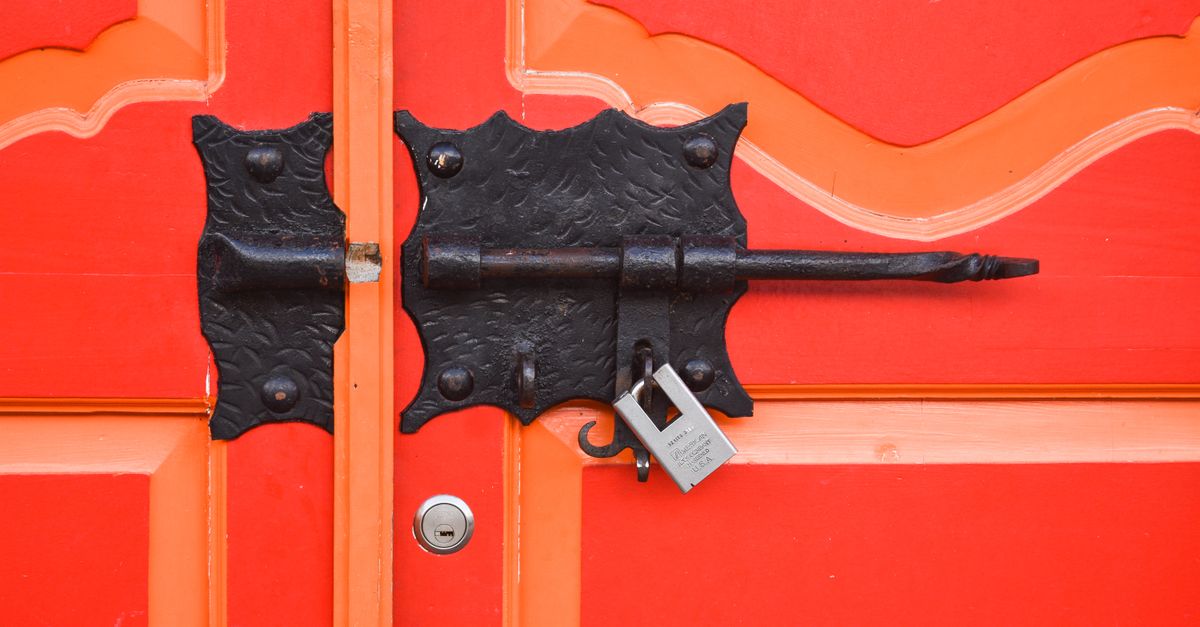
If you own a home in the Avenues or Sugar House, there is a good chance your front door hides a piece of hardware that most modern locksmiths rarely see in new construction — a mortise lock. It sits flush inside a deep rectangular pocket carved into the edge of the door, and it operates nothing like the cylindrical knob-and-deadbolt combos found on tract homes built after the 1970s. For many Salt Lake City homeowners, the first real introduction to this hardware comes at the worst possible moment: standing on a porch off 9th and 9th at midnight, key turning but the door refusing to budge.
Understanding what a mortise lock actually is — and knowing when to repair it versus replace it — can save you a frustrating service call, a premature hardware bill, or worse, a security gap you did not know existed. This guide walks you through the basics, explains why these locks became so common in older Salt Lake neighborhoods, and helps you make a smart, informed decision the next time something goes wrong.
## What Is a Mortise Lock, and How Does It Differ from a Standard Door Knob Lock?
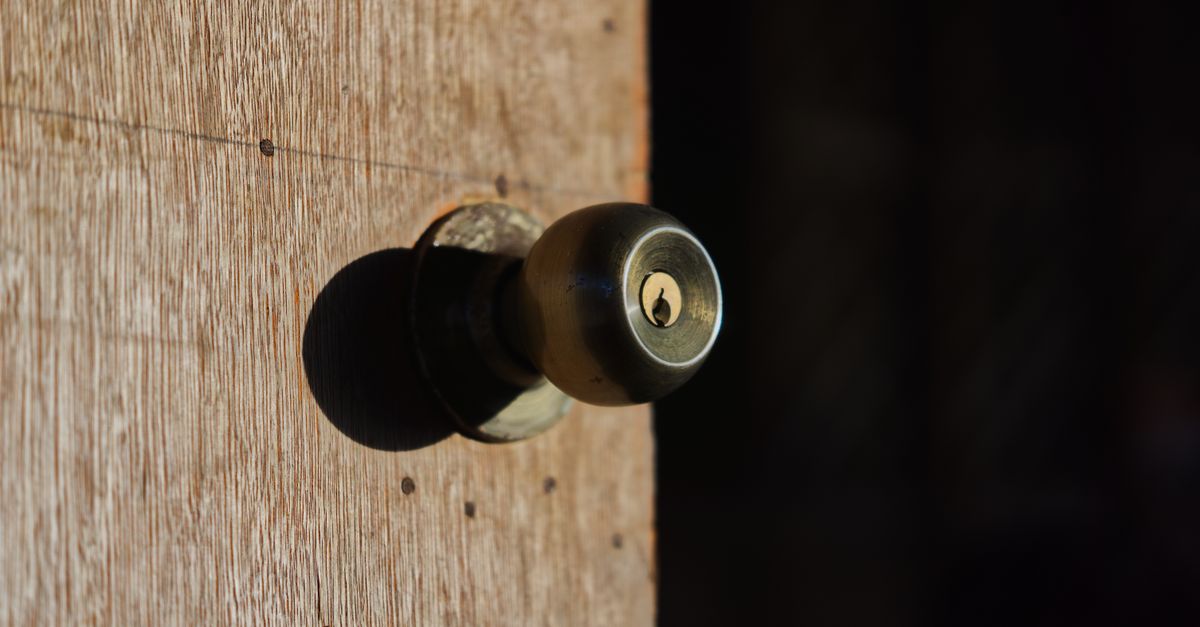
A mortise lock is a complete locking mechanism — latch, deadbolt, and often a privacy or passage function — housed inside a single metal body that is recessed into a pocket (the 'mortise') cut into the door's edge. The exterior trim typically includes a full-length plate, a knob or lever, and a separate keyhole for the mortise lock cylinder. That cylinder is what the key engages, driving the internal cam that throws the bolt. Compare this to the everyday door knob with lock and key most people picture: a cylindrical lock where the entire mechanism mounts through two round holes drilled in the door face. Cylindrical locks are far simpler to install in new doors but offer a shallower bolt throw and less robust internal components than a true mortise lock set.
The depth and integration of a mortise lock is exactly what makes it so durable. A quality mortise lock set — particularly vintage examples from manufacturers like Corbin Russwin or Baldwin — was built to outlast the door itself. Corbin Russwin mortise lock hardware from the 1920s through the 1960s used heavy brass internals and thick steel cases that simply do not corrode or fatigue the way lighter modern hardware does. A Baldwin mortise lock from the mid-century era is similarly overbuilt. That longevity is precisely why so many Salt Lake homes still have their original locksets 80 or 100 years after installation.
## Why Older Avenues and Sugar House Homes Are Full of Mortise Lock Sets
The residential blocks of the Avenues — the grid of lettered and numbered streets climbing the bench east of downtown — and the craftsman bungalows and Victorian foursquares scattered through Sugar House were largely built between the 1890s and the 1950s. That era coincided with the golden age of mortise lock manufacturing in the United States. Builders and architects specified mortise lock set exterior door hardware as standard because it was the most secure and most refined option available. Cylindrical bored locks did not become a dominant residential standard until the late 1950s and 1960s, when mass home building and cost-cutting drove the industry toward simpler installation. By then, thousands of Salt Lake doors already had mortise bodies set into them — and replacing the lock would have meant filling and patching a large mortise pocket, a carpentry job most homeowners never bothered with.
There is also a local preservation angle worth noting. Homes in the Avenues Historic District and portions of Sugar House are subject to design guidelines that encourage maintaining original architectural character, which includes hardware. Even outside those designated areas, many owners of older Salt Lake homes simply want to keep what works. A cast-brass mortise lock set that has operated smoothly for a century is hard to argue against — and a skilled locksmith who understands how to service one is worth knowing by name.
## Mortise Lock Repair vs. Replacement: How to Decide
The most common mortise lock problems fall into a few categories: a worn or broken mortise lock cylinder that no longer turns cleanly, a sagging or stripped spindle that makes the interior knob feel loose, a broken cam that disconnects the key action from the bolt, or a latch that no longer retracts fully due to years of paint buildup or door settling. In most of these cases, repair is both possible and preferable. Replacing just the mortise lock cylinder, for example, is a straightforward job — the cylinder unscrews from the face of the lock body and a matching replacement drops in. Rebuilding or replacing a worn cam or spindle inside the case is more involved but still far less disruptive than removing the entire mortise lock set and cutting a new door for cylindrical hardware.
Replacement makes more sense in a narrower set of circumstances: the lock body itself is cracked or corroded beyond function, the internal parts are proprietary to a discontinued manufacturer and no replacement components exist, or the homeowner wants to upgrade security to a modern ANSI Grade 1 mortise lock set exterior door standard without changing the door's aesthetic profile. In those cases, a modern mortise lock body can often be fitted into the original mortise pocket with minimal modification, preserving the door while improving security. If you are unsure which category your situation falls into, the right move is to have a professional locksmith evaluate the existing hardware before purchasing anything. The factors that determine the final quote for that service — lock condition, parts availability, door type, and whether the work is done during standard hours or as an emergency — will be confirmed upfront before any work begins. You can reach our team any time at (801) 438-3704.
## What to Expect When a Locksmith Services a Mortise Lock
A qualified locksmith who regularly works on vintage and mortise hardware will start by examining the full door assembly — not just the lock itself. Door hinge alignment, frame condition, and the fit of the strike plate all affect how a mortise lock performs. A door that has settled a quarter inch over a century of Salt Lake winters and dry summers can put enough lateral stress on a lock body to make even a perfectly functioning mechanism feel broken. Once the locksmith rules out frame and alignment issues, they will inspect the lock cylinder for wear, test the internal cam and springs, and check the bolt throw for full extension.
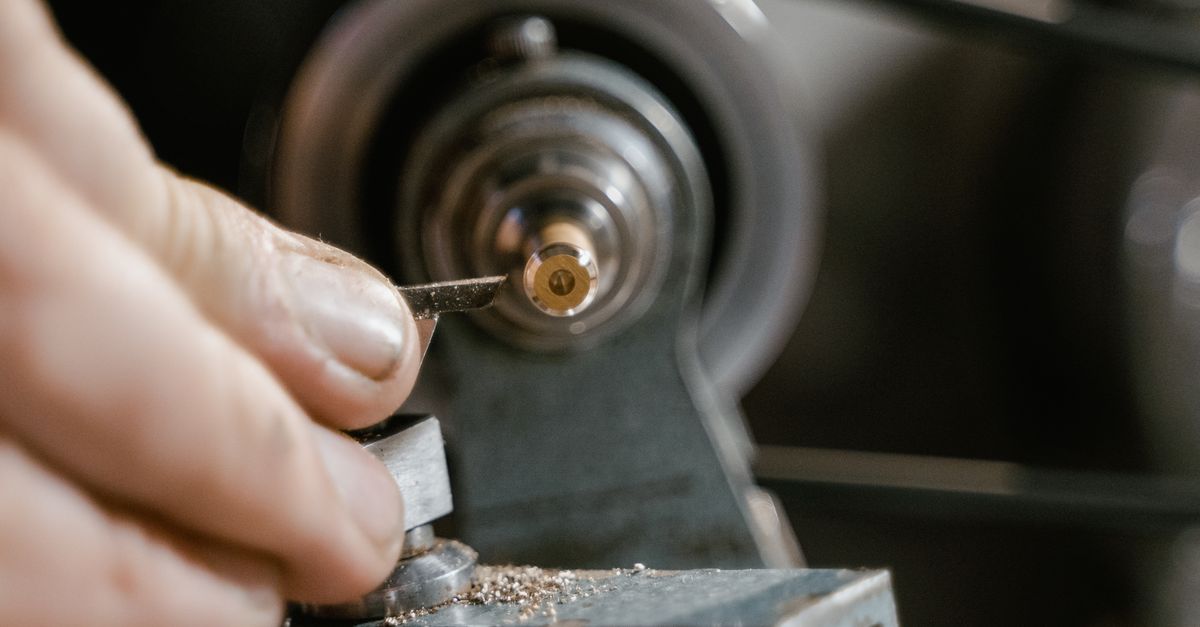
For rekeying a mortise lock cylinder, the process is similar to rekeying any pin tumbler lock — the cylinder is removed, the pins are reconfigured to match a new key, and the cylinder is reinstalled. This is one of the most common mortise lock tasks we handle, particularly when homeowners buy an older Avenues property and want to ensure no prior owner retains a working key. For full internal repairs, the lock body is typically removed from the door, disassembled on a workbench, and rebuilt or fitted with replacement parts before being reinstalled and tested under real operating conditions. The entire process on a cooperative door usually takes under two hours.
## Mortise Lock Security in 2025: Still Relevant, Still Worth Protecting
One question homeowners reasonably ask is whether a century-old mortise lock can still provide meaningful security in 2025. The honest answer is: it depends on the cylinder. The original skeleton-key cylinders that came with pre-war hardware offer almost no resistance to modern bypass methods and should be upgraded. However, a vintage mortise lock body retrofitted with a modern high-security mortise lock cylinder — featuring anti-pick, anti-drill, and anti-bump pin stacks — can be an extremely secure combination. The heavy steel bolt and deep throw of the mortise mechanism are inherently more robust than most cylindrical alternatives, and the solid brass or steel case resists physical attack well. The cylinder is the upgradeable component; the body is the enduring asset.
For homeowners considering a full upgrade, there are excellent contemporary mortise lock sets available that fit standard mortise pocket dimensions and accept modern restricted keyways, which means keys cannot be duplicated without your authorization at a hardware kiosk or general-purpose key machine. Speaking of which: if you have ever used a self-service kiosk — the kind marketed as a way to copy any key quickly — it is worth knowing that many of those machines cannot cut restricted or high-security mortise lock cylinder keys, and some older mortise keys require hand-cutting by a locksmith with the right equipment. That is one more reason a hands-on professional evaluation is worth the time. Our team is available around the clock — call (801) 438-3704 any time you need a mortise lock assessed, repaired, rekeyed, or replaced anywhere in the Salt Lake City area.
Frequently asked questions
Can a locksmith get you into your home if your mortise lock is jammed or broken?+
Yes — a professional locksmith can gain entry to your home through legitimate, non-destructive methods when you are locked out due to a malfunctioning mortise lock. The first step any responsible locksmith takes is verifying ownership or occupancy, typically by asking for an ID matching the address. Once identity is confirmed, the approach depends on what is actually wrong: a seized cylinder, a broken cam, a misaligned bolt. In many cases entry can be made without damaging the door or the lock. After getting you inside, the locksmith will diagnose the underlying problem so you are not locked out again. If you are in that situation right now, call (801) 438-3704 — we respond 24/7 across Salt Lake City.
How much should an emergency locksmith cost for a mortise lock service call?+
There is no single flat figure that applies to every situation, and any locksmith who quotes a firm price without knowing the details should raise a flag. The factors that shape the final price for a mortise lock service call include the specific repair or service needed (cylinder replacement, full internal rebuild, rekey, or lockout response), the age and rarity of the lock parts involved, the time of day, and travel distance to your location. Emergency calls outside standard hours involve different considerations than a scheduled daytime appointment. What we commit to is confirming an exact price upfront — before any work begins — so there are no surprises on the invoice. Call (801) 438-3704 to describe your situation and get a clear quote.
What is the most common locksmith task on a mortise lock set?+
Rekeying the mortise lock cylinder is by far the most frequent service request, especially from buyers of older homes in the Avenues, Sugar House, and other Salt Lake City neighborhoods where ownership has changed hands multiple times. When you move into a home with a vintage mortise lock, there is no reliable way to know how many keys were cut over the decades — and skeleton-key-style originals can sometimes be duplicated without any special equipment. Rekeying reconfigures the internal pin stacks so only a new key operates the lock, immediately eliminating access for anyone holding an old copy. It is faster and less expensive than replacing the full hardware and is almost always the right first step for a new homeowner.
Can a locksmith reprogram my key fob, and does A1 Salt Lake City Locksmith handle automotive work alongside mortise lock services?+
Yes on both counts. A skilled automotive locksmith can program or reprogram key fobs and transponder keys for most vehicle makes, often on-site without a dealership visit. The equipment required is specialized, and the process varies by vehicle make, model year, and whether you have an existing working key to pair against. A1 Salt Lake City Locksmith handles both residential locksmith work — including mortise lock repair, rekey, and replacement — and automotive locksmith services across the Salt Lake City area. If you need a key fob programmed or a car lockout resolved alongside a home lock question, we handle it all in a single call. Reach us any time at (801) 438-3704.